Blockchain & Web3
On-chain code is public, permanent and holds value. It is the least forgiving software there is, and it should be written accordingly.
On-chain products, audited by default.
8 services
We build Web3 products with the assumption that every line will be read by someone looking for a way in. Contracts written for audit with full test coverage and considered upgrade paths, token mechanics modelled before they're deployed, wallet flows that don't lose non-crypto users, and the indexing and analytics needed to actually operate what you've launched.
Building on blockchain properly, where mistakes cannot be undone, so everything is tested before it ships.
What changes
Contracts that pass external audit without a rewrite
Onboarding your mainstream users can complete
Operational visibility over on-chain activity and treasury
- Mechanism design and economic modelling
- Contracts with full test suite, invariants and deployment scripts
- Audit preparation, coordination and remediation
- Front-end integration with wallet and transaction UX
- Indexing, monitoring and on-chain analytics
8 services in this discipline
Each one is a scope we can run on its own or fold into a larger build. Open any of them for the detail.
Questions we get asked
Where we have done this
Case studies where this discipline carried the build.
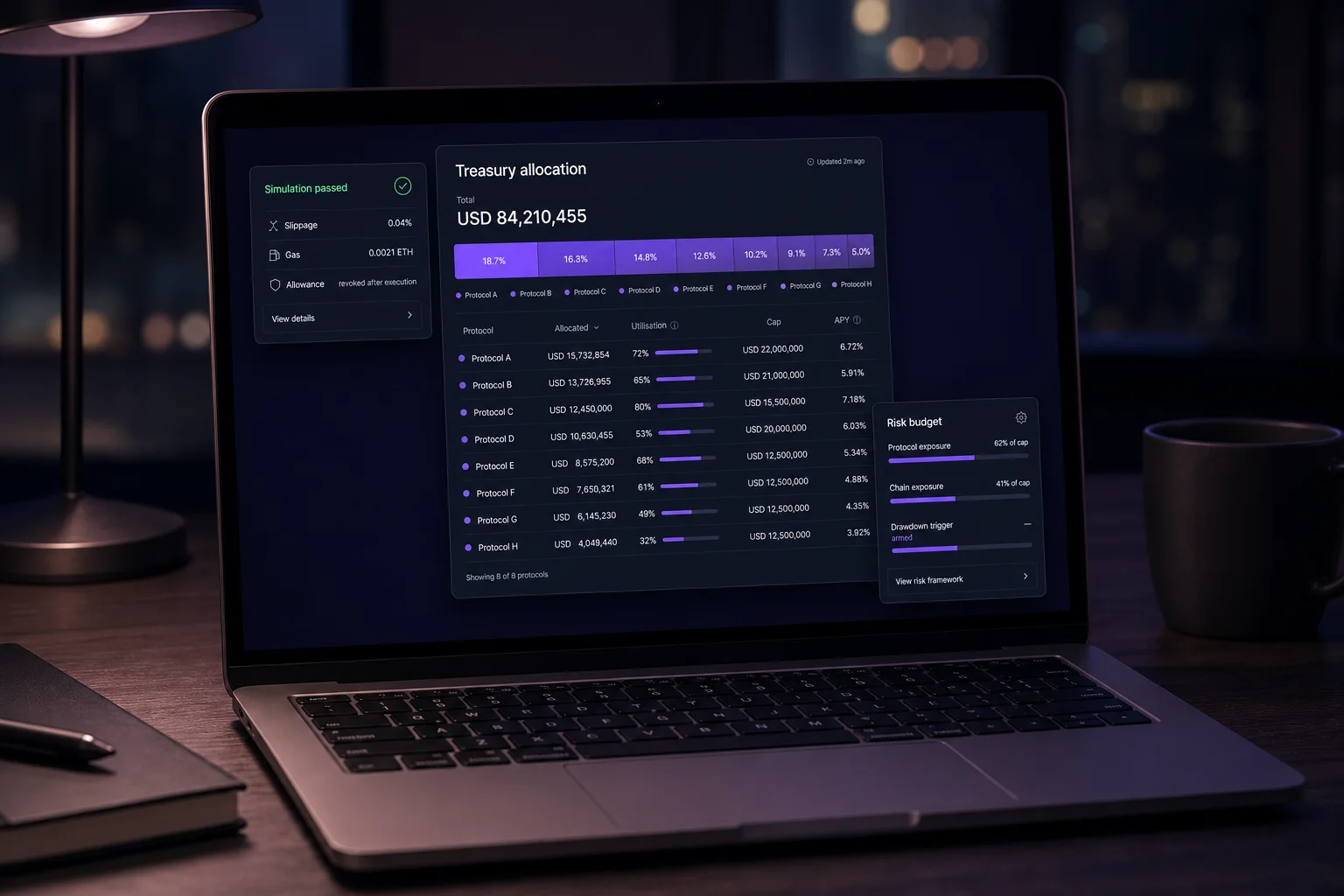
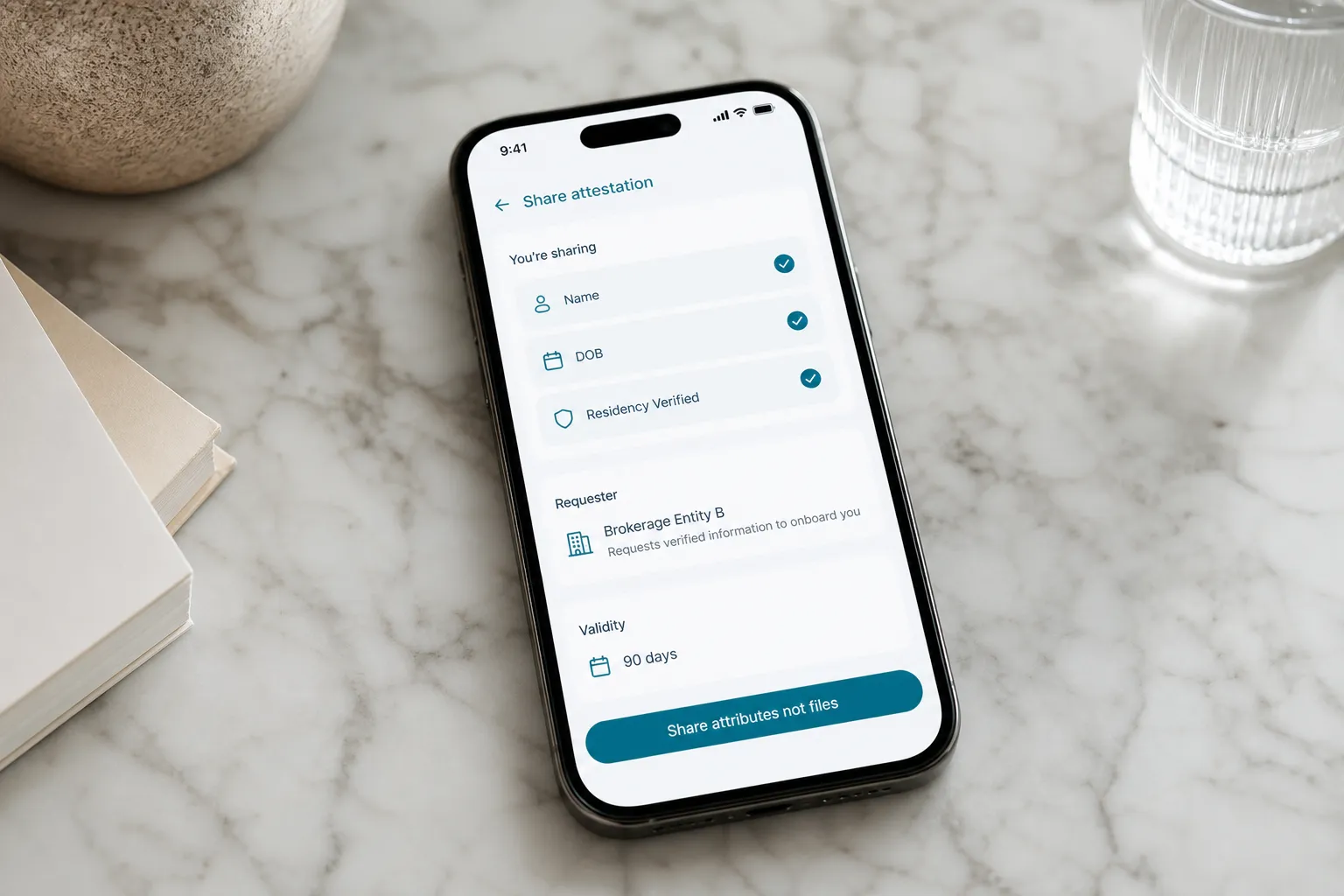
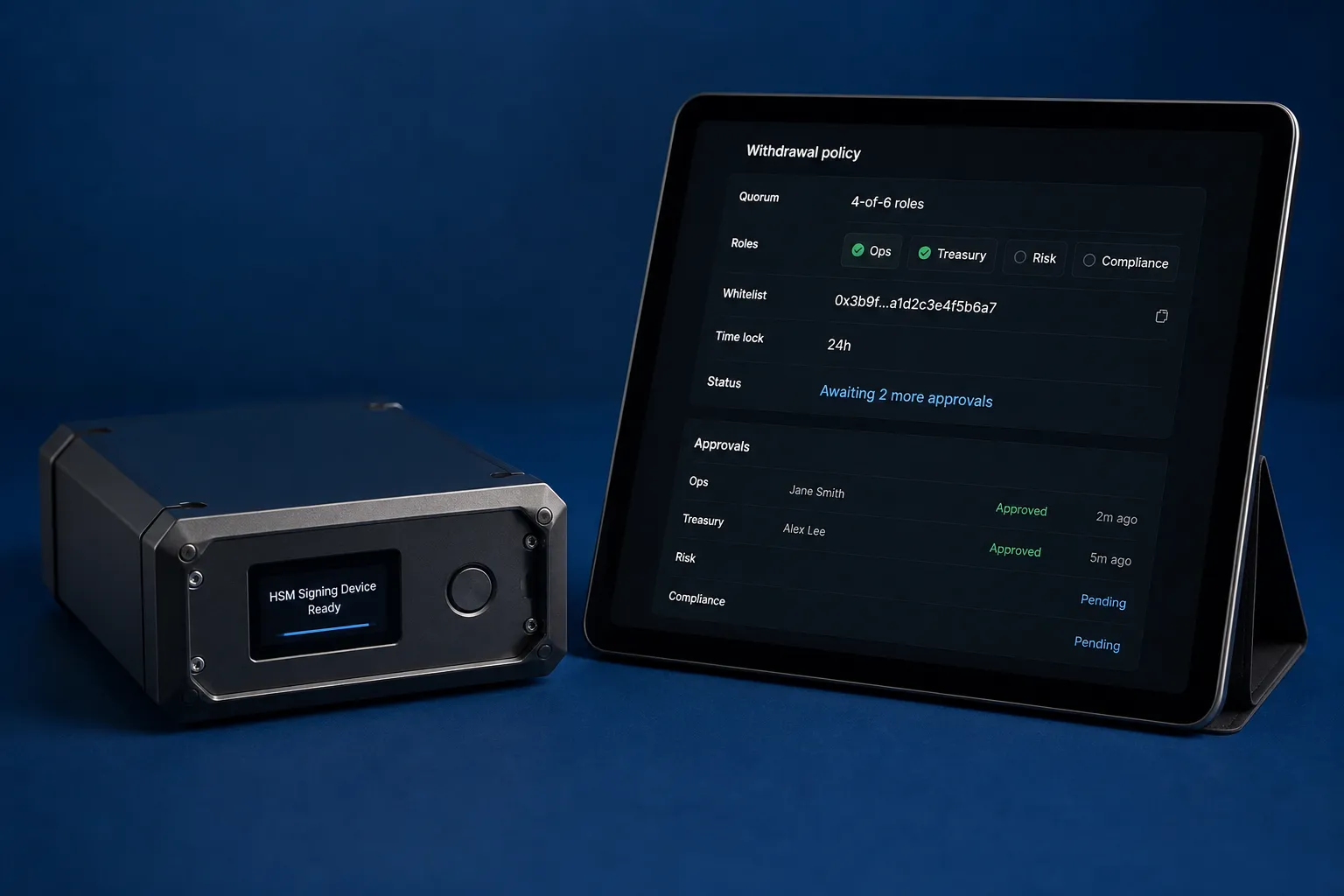
A delivery model built to remove surprises.
Diagnose
A paid, fixed-scope discovery. We interview your team, audit the current stack and data, and write down what's actually happening, not what the org chart says. You leave with findings you can use even if you never hire us again.
Architect
We design the solution before building it: scope, system design, integration points, risks, sequence and a fixed commercial. Every assumption is written down so there is nothing to renegotiate later.
Build
Two-week cycles with a working demo at the end of each one. You get a shared board, a single point of contact, and an environment you can click through from week two onward.
Operate
Handover with documentation, training and monitoring, then a support agreement if you want one. We instrument what we build, so improvement is measured rather than claimed.
Tell us the outcome, not the tooling.
Send us the situation you are in. We will tell you which discipline it belongs to, what we would do first and what it costs, including when the answer is to wait.