Financial technology
In financial software, a subtle bug is not a bug. It is a loss. Everything here is built with that assumption.
Capital systems, engineered.
11 services

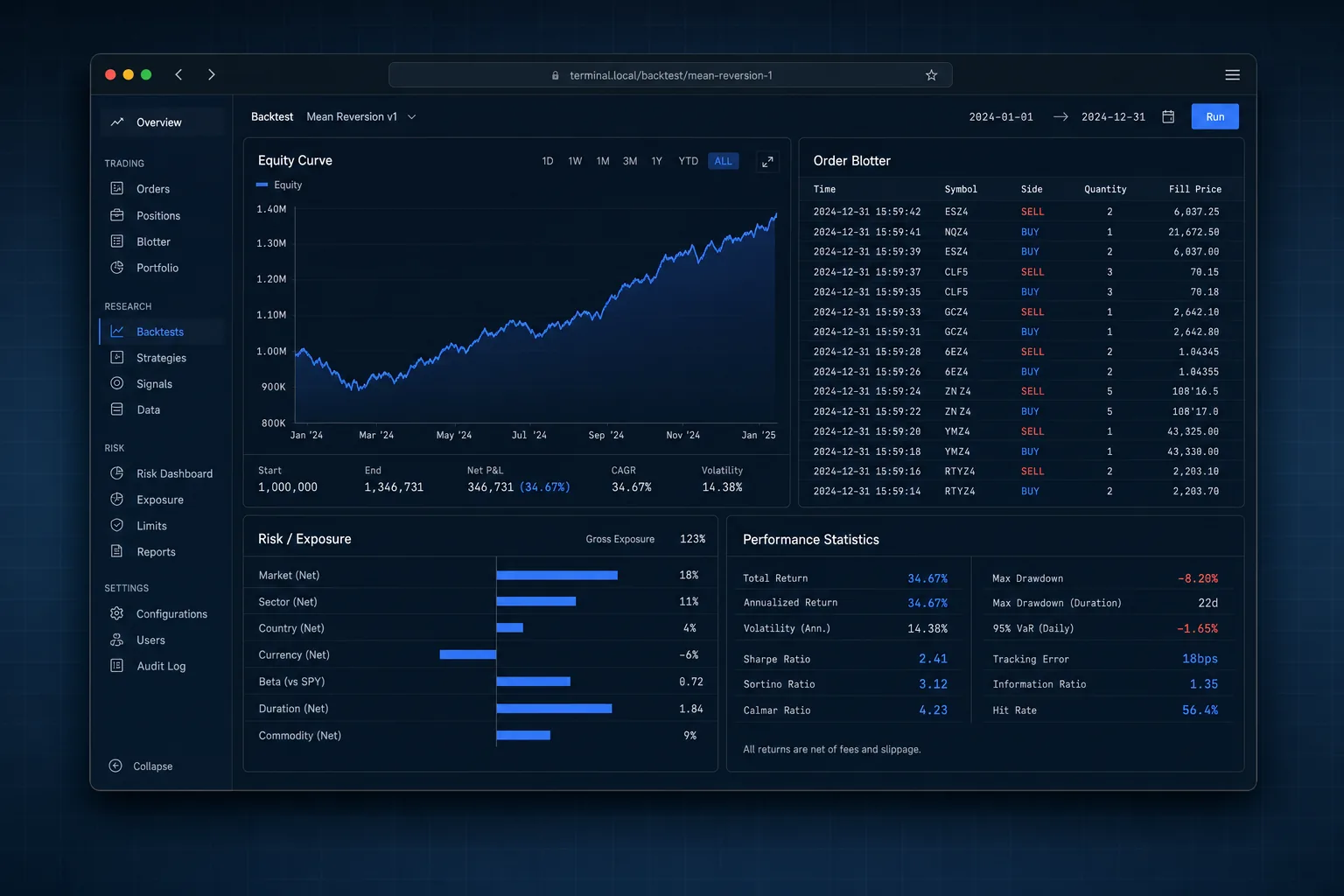
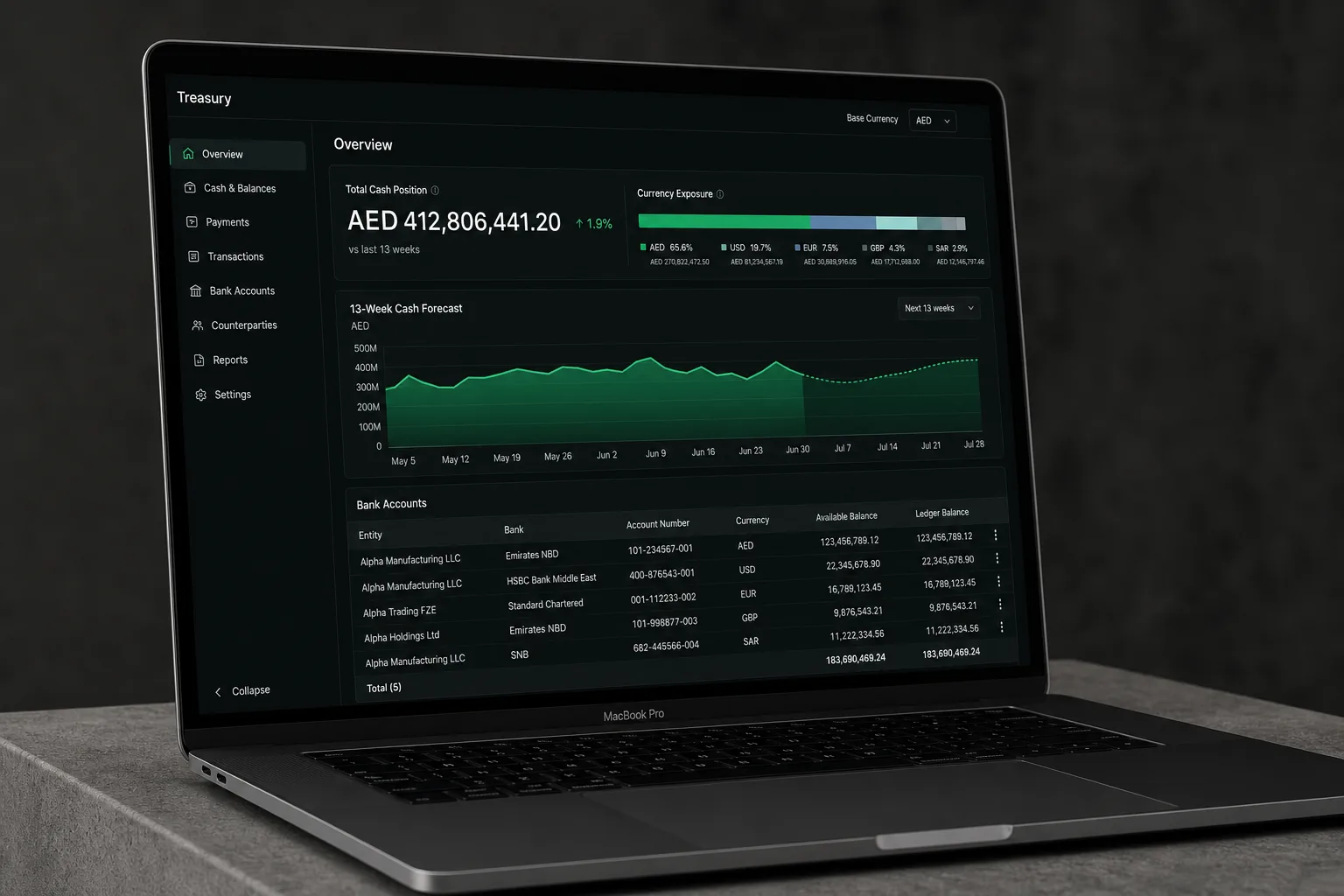
We develop the systems that sit between a strategy and real capital: research and backtesting infrastructure that doesn't lie to you, execution with position sizing and fail-safes, risk limits that actually halt trading, and the analytics that explain where returns and exposure came from. Traditional venues and digital assets, with the same standard of rigour applied to both.
Software that manages, moves and grows money, with the testing and safety controls that serious capital requires.
What changes
Backtests you can trust, because slippage and bias are modelled
Execution that behaves identically at 3am and at month-end
Risk limits enforced by the system rather than by discipline
- Strategy specification with statistical validation plan
- Market data pipeline and historical research environment
- Backtesting engine with realistic fees, slippage and latency
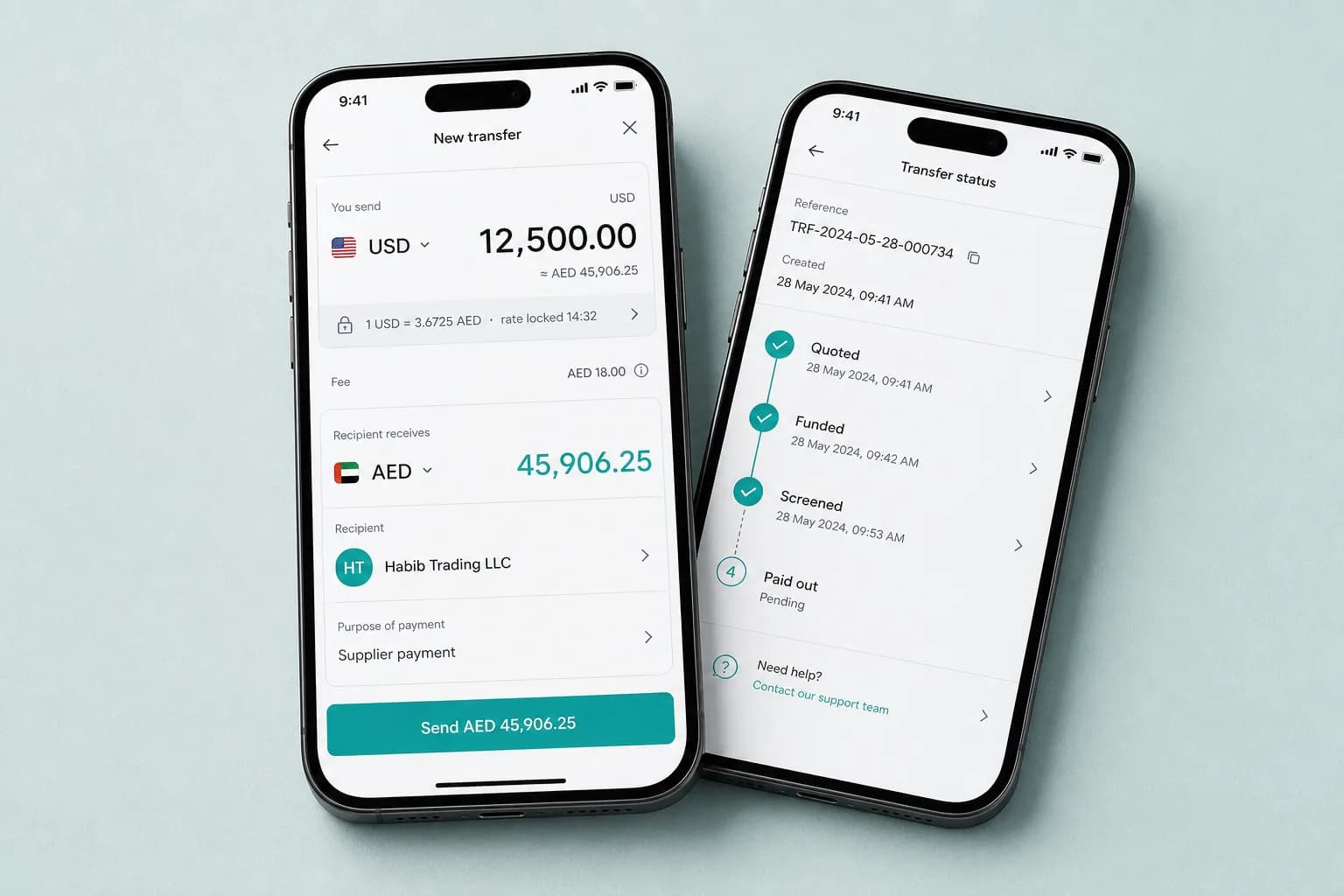
- Live execution, order management and reconciliation
- Risk controls, kill switches and an operator dashboard
11 services in this discipline
Each one is a scope we can run on its own or fold into a larger build. Open any of them for the detail.
Questions we get asked
Where we have done this
Case studies where this discipline carried the build.
A delivery model built to remove surprises.
Diagnose
A paid, fixed-scope discovery. We interview your team, audit the current stack and data, and write down what's actually happening, not what the org chart says. You leave with findings you can use even if you never hire us again.
Architect
We design the solution before building it: scope, system design, integration points, risks, sequence and a fixed commercial. Every assumption is written down so there is nothing to renegotiate later.
Build
Two-week cycles with a working demo at the end of each one. You get a shared board, a single point of contact, and an environment you can click through from week two onward.
Operate
Handover with documentation, training and monitoring, then a support agreement if you want one. We instrument what we build, so improvement is measured rather than claimed.
Tell us the outcome, not the tooling.
Send us the situation you are in. We will tell you which discipline it belongs to, what we would do first and what it costs, including when the answer is to wait.