CRM systems
A CRM shaped exactly to your sales motion, for when off-the-shelf tools fight you.
- Engagement
- Fixed-scope build with a pilot team
- Typical timeline
- 12 weeks
- Starts with
- A recording of one discovery call and one closing call.
Your CRM carries forty-one custom fields and your team fills in five. The real pipeline lives in a shared spreadsheet, because the tool insists on a process nobody here has ever followed.
Actual adoption, because it finally matches how you sell.
What we build
Concrete artefacts, handed over and documented.
A written model of how you actually sell: the stages, the exit criteria, and the fields that genuinely change a decision
The system itself, shaped to that process, fewer fields, enforced order where order matters, nothing decorative
Migration of your history with duplicates merged under rules you approve, and a log of every merge
Quoting, activity capture and handover to delivery, so records update as a by-product of doing the work
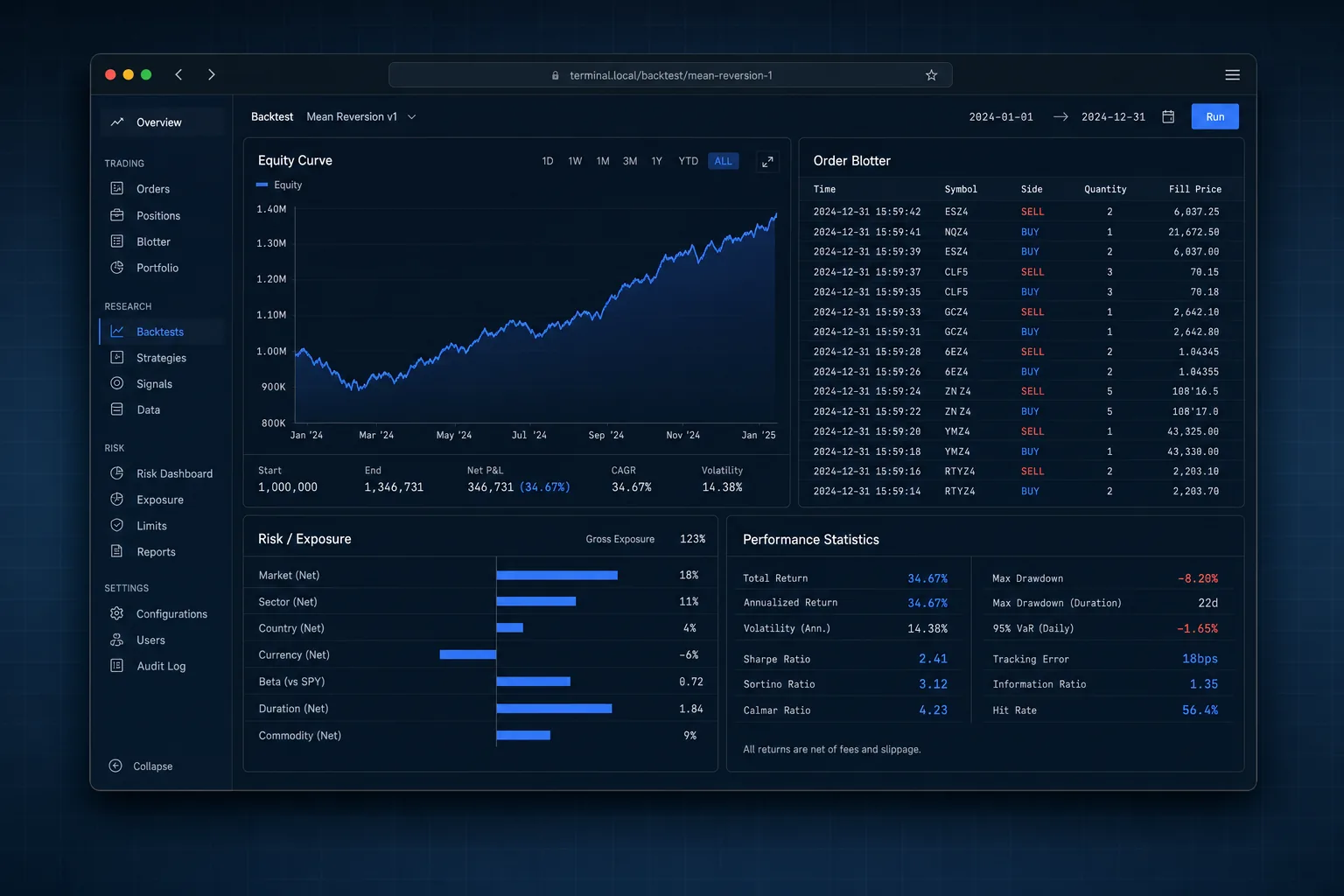
Pipeline and forecast views your sales lead is willing to take into a board meeting
What changes
The parallel spreadsheet disappears, because the CRM has become the quicker place to work
Forecasts move on evidence, since every stage has a written exit criterion
A salesperson who leaves leaves their pipeline behind them
How it runs
01Shadow the sellers
We sit through live calls and watch the exact moment the current tool gets abandoned. That moment is the specification.
02Build
Stages, records, quoting and reporting, reviewed fortnightly by the two people who sell the most.
03Migrate and adopt
History moved, duplicates resolved, and a fortnight sitting with the team while the habit changes.
Chosen per project. Named here so you can see the shape of it.
- Next.js
- Postgres
- Prisma
- Redis
- Sentry
Questions we get asked
Tell us the outcome, not the tooling.
Send us the situation you are in. We will tell you which discipline it belongs to, what we would do first and what it costs, including when the answer is to wait.