Business intelligence dashboards
Governed dashboards on modelled data, built for the decisions each team actually makes.

- Engagement
- Fixed-scope build, extension retainer optional
- Typical timeline
- 6–8 weeks
- Starts with
- The list of questions your team currently emails to whoever owns the data.
Every question put to the data team takes four days and comes back as a screenshot. By the time the answer arrives, the meeting that needed it has already made the decision without it.
Leadership reviewing one version of the truth.
What we build
Concrete artefacts, handed over and documented.
- 01
A modelled layer in dbt where each business object, order, customer, subscription, refund, is defined once and tested nightly
- 02
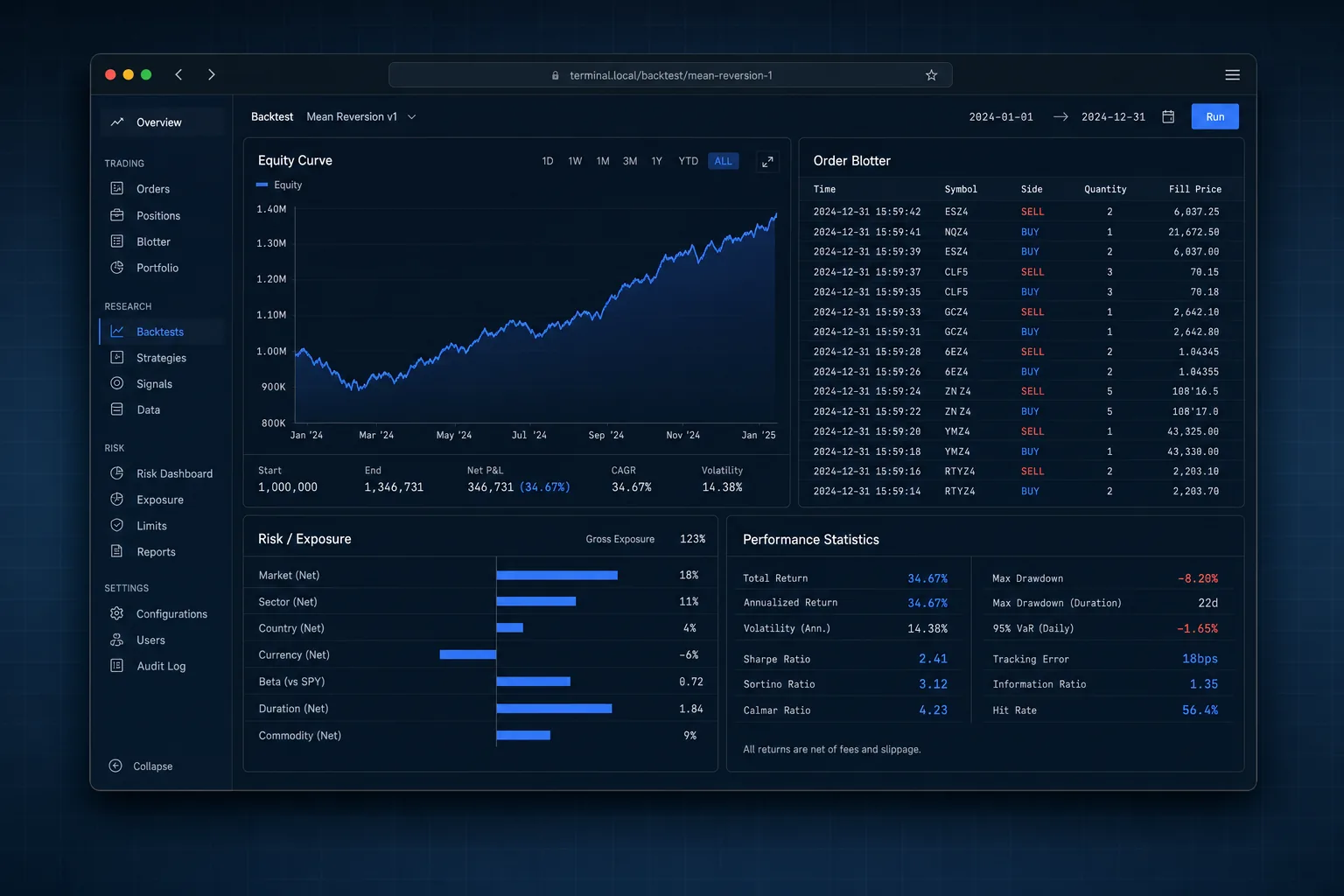
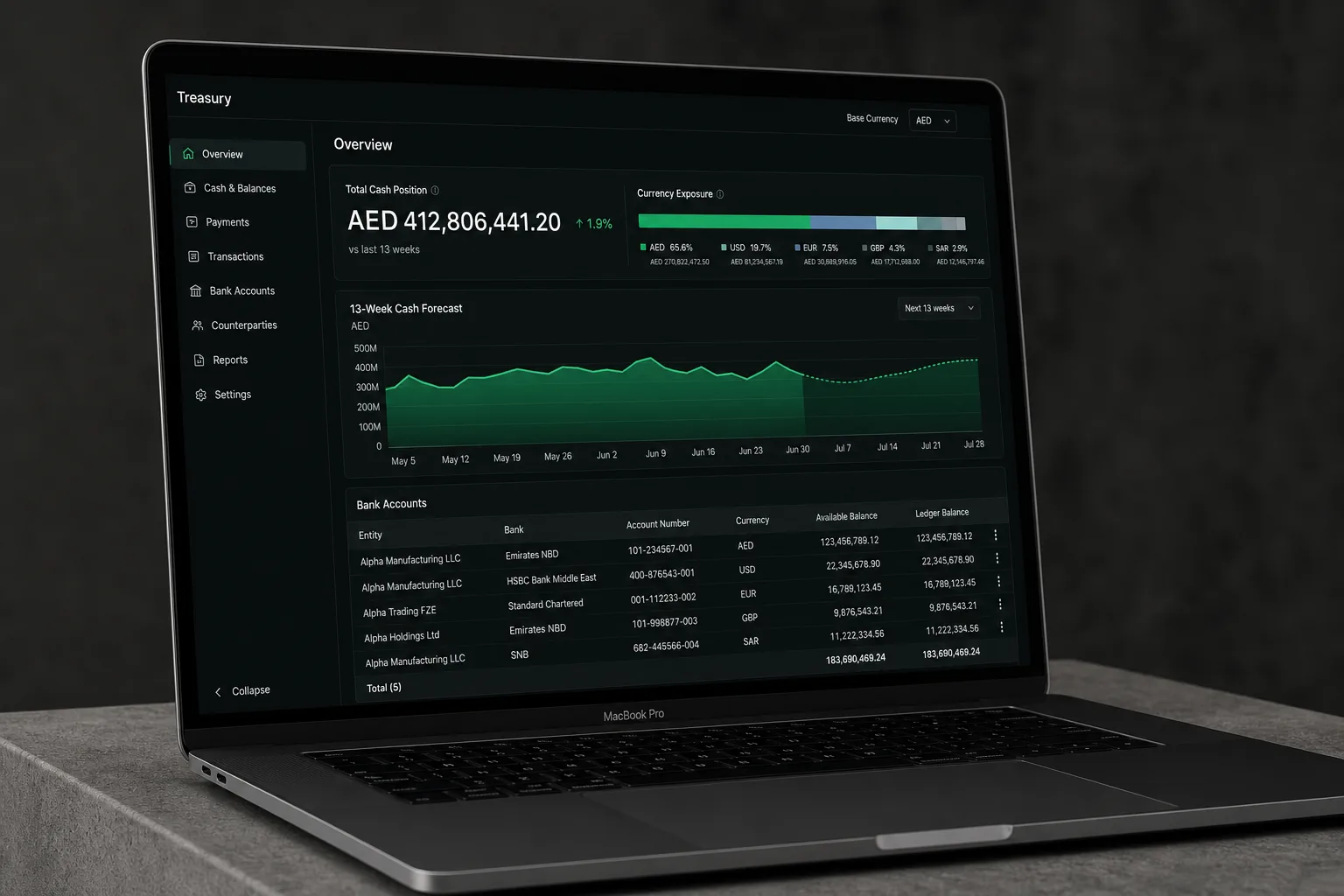
Dashboards scoped to one question per screen, each with a named owner and a stated audience
- 03
Filters and drill-downs that let a department head answer the obvious follow-up without asking anyone
- 04
Freshness indicators, so a chart sitting on a failed overnight load says so instead of quietly showing yesterday
- 05
A short definition beside each metric, written in the words your business already uses
What changes
Routine questions get answered by the person who asked them
Analyst time moves off screenshot requests and onto work that needs an analyst
Two teams looking at the same figure see the same number
How it runs
- Weeks 1–2
01Questions, not charts
We interview each team and write down the decisions they make weekly. A chart that serves no decision does not get built.
- Weeks 3–5
02Model
The shared definitions, the tests that guard them, and the joins that stop each team modelling the same thing privately.
- Weeks 6–8
03Dashboards and handover
Screens built, reviewed with their audience, then a session teaching your team to extend them without us.
Chosen per project. Named here so you can see the shape of it.
- dbt
- BigQuery
- Metabase
- Airflow
Questions we get asked
Tell us the outcome, not the tooling.
Send us the situation you are in. We will tell you which discipline it belongs to, what we would do first and what it costs, including when the answer is to wait.