Predictive analytics
Forecasting, propensity and churn-risk models trained on your own history.

- Engagement
- Build plus a monitoring retainer
- Typical timeline
- 8–12 weeks
- Starts with
- Three years of history for whatever you want predicted, and the decision it should change.
A forecast that lives in a slide is a forecast nobody uses. The purchase order still gets raised from last month’s figure, and the churn model everyone admired in June has not scored a single account since.
Acting on what is about to happen, not what already did.
What we build
Concrete artefacts, handed over and documented.
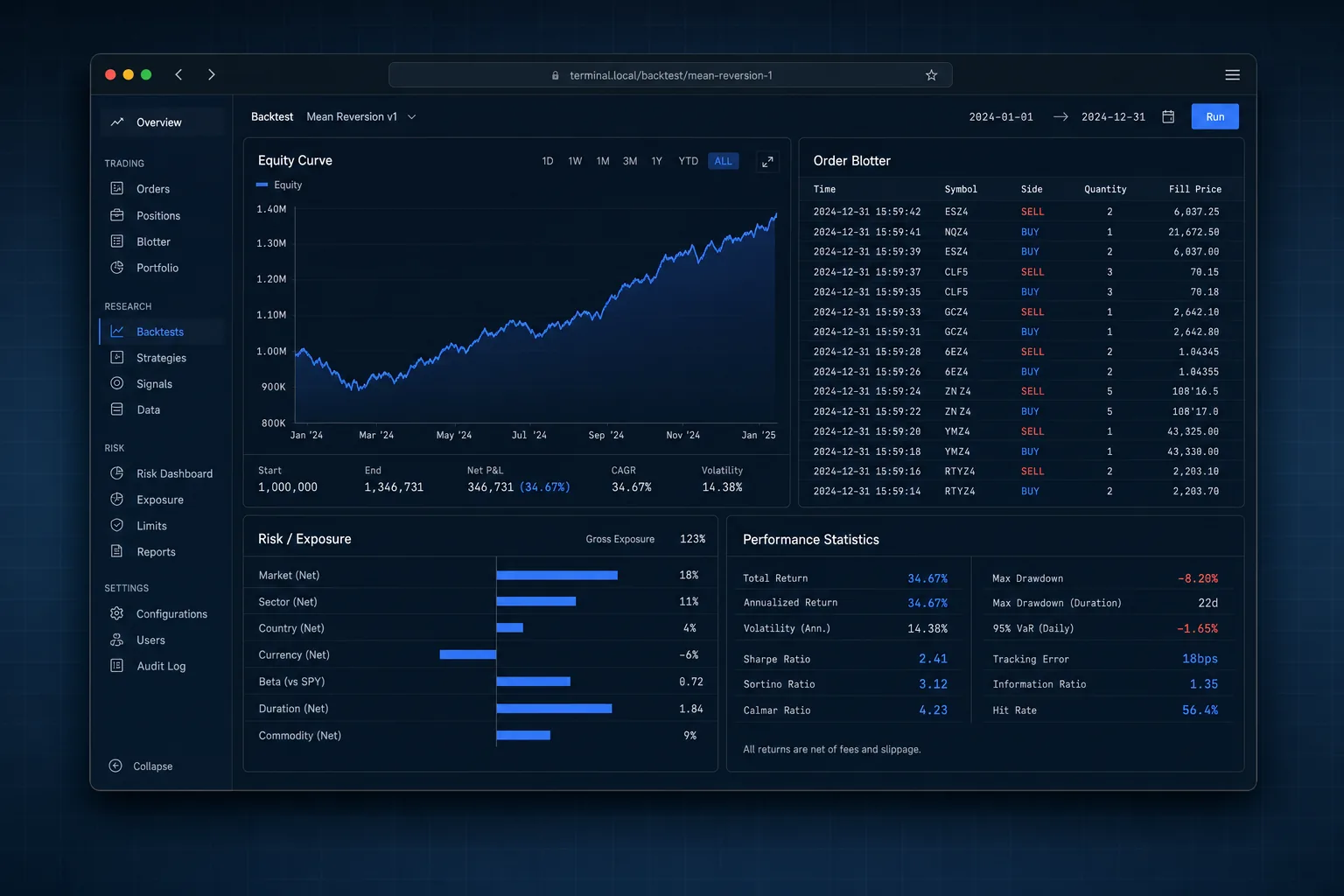
The naive baseline first: whatever crude forecast your business is implicitly running on today, measured so there is something to beat
Models trained on your own history, with the drivers behind each prediction shown in plain language
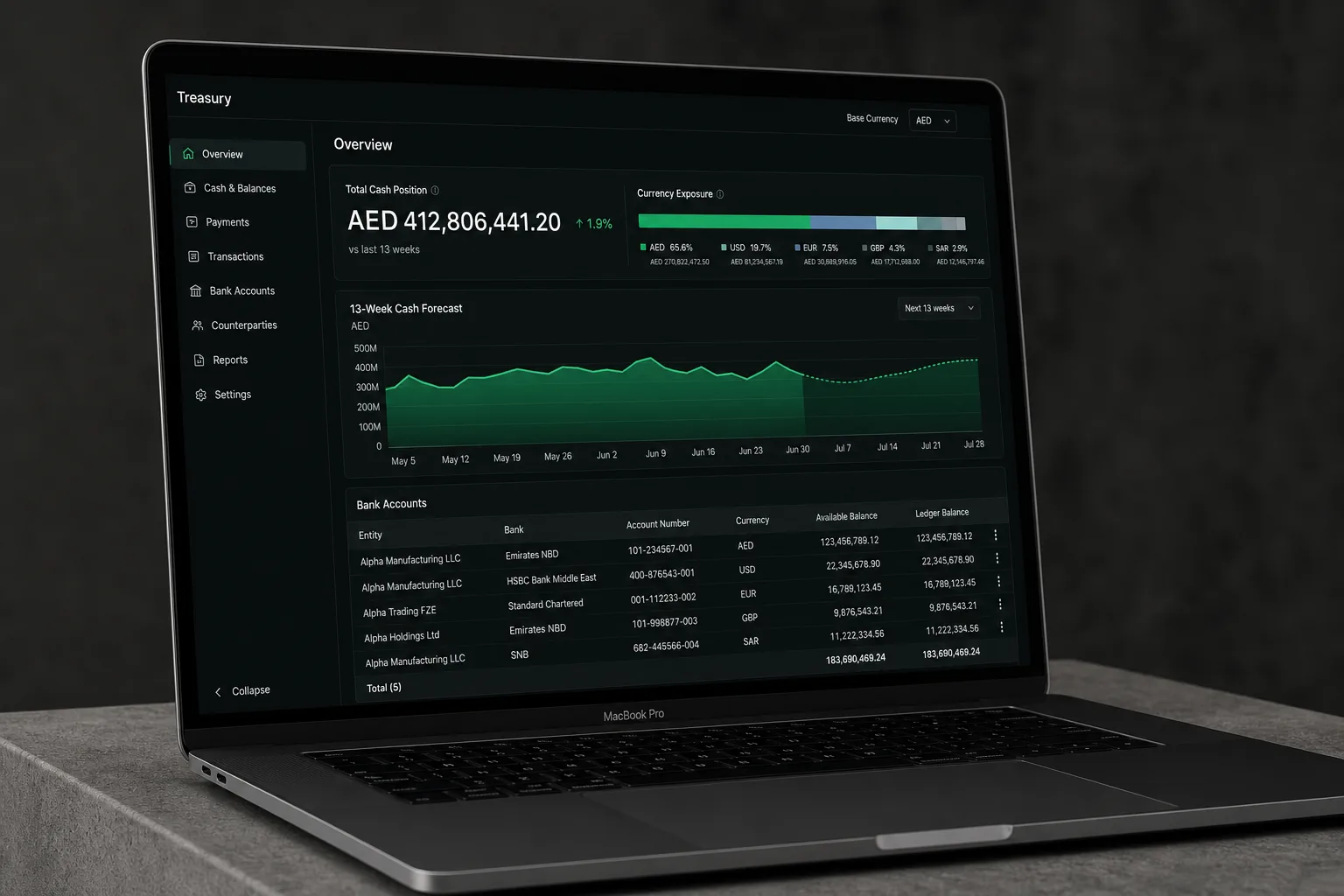
Scheduled scoring that writes predictions back into the system where the decision is made, the CRM, the ordering tool, the support queue
Drift monitoring, so a model that has quietly stopped working raises an alert instead of continuing to be believed
A retraining routine with a written pass mark, and the rule that decides when a model is retired
What changes
Forecast error is measured against a baseline rather than described as improved
Predictions arrive inside the tool where somebody can act on them the same day
A degrading model is caught by monitoring rather than by a bad quarter
How it runs
01Baseline and data
We establish the number to beat and check whether your history can support the prediction you want.
02Model and evaluation
Candidate models, tested on periods they never saw, judged against the baseline and against the cost of running them.
03Deploy and monitor
Scoring on a schedule, predictions written into the working system, drift alerts wired to a named owner.
Chosen per project. Named here so you can see the shape of it.
- Python
- scikit-learn
- Snowflake
- Dagster
- Grafana
Questions we get asked
Tell us the outcome, not the tooling.
Send us the situation you are in. We will tell you which discipline it belongs to, what we would do first and what it costs, including when the answer is to wait.