KPI tracking systems
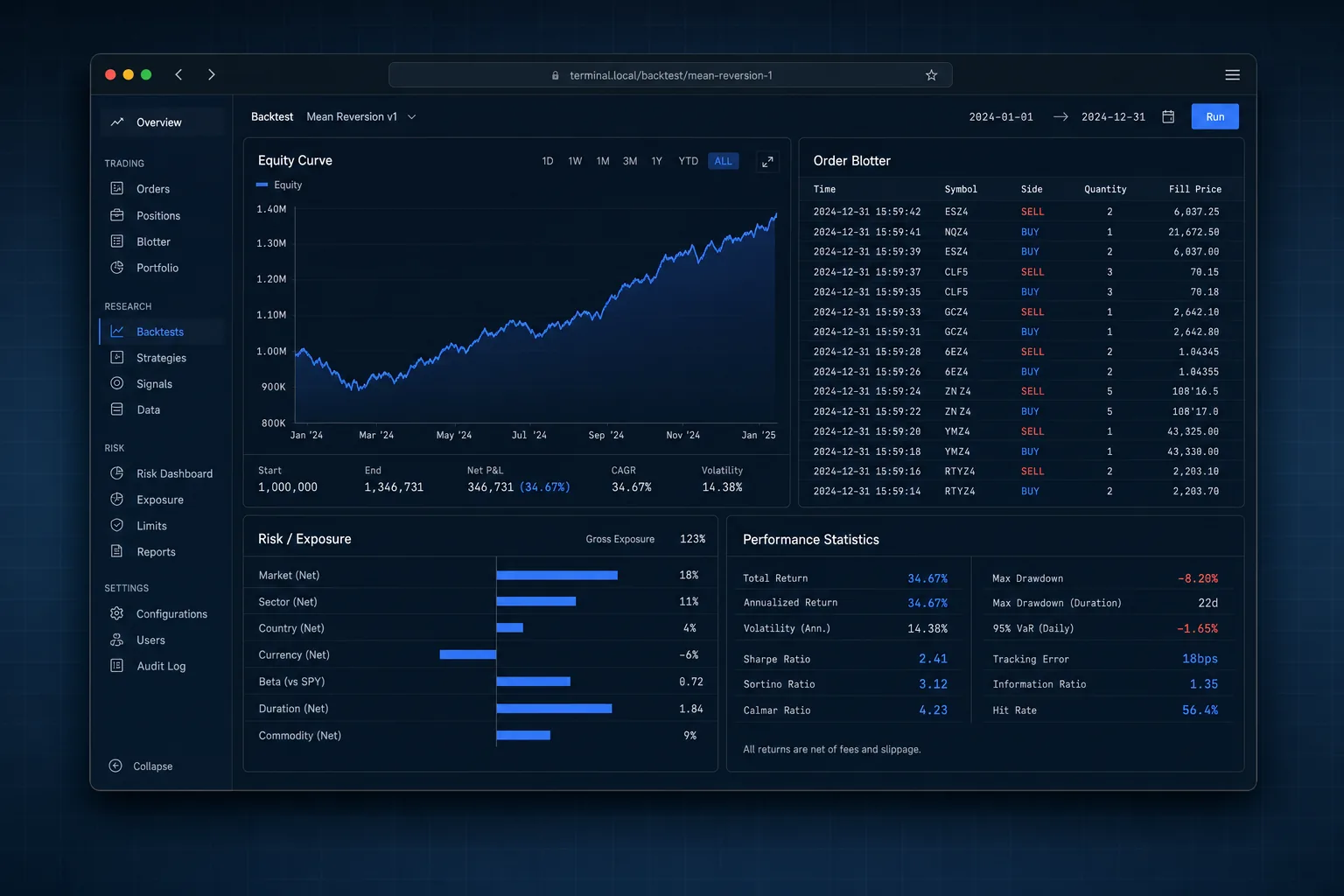
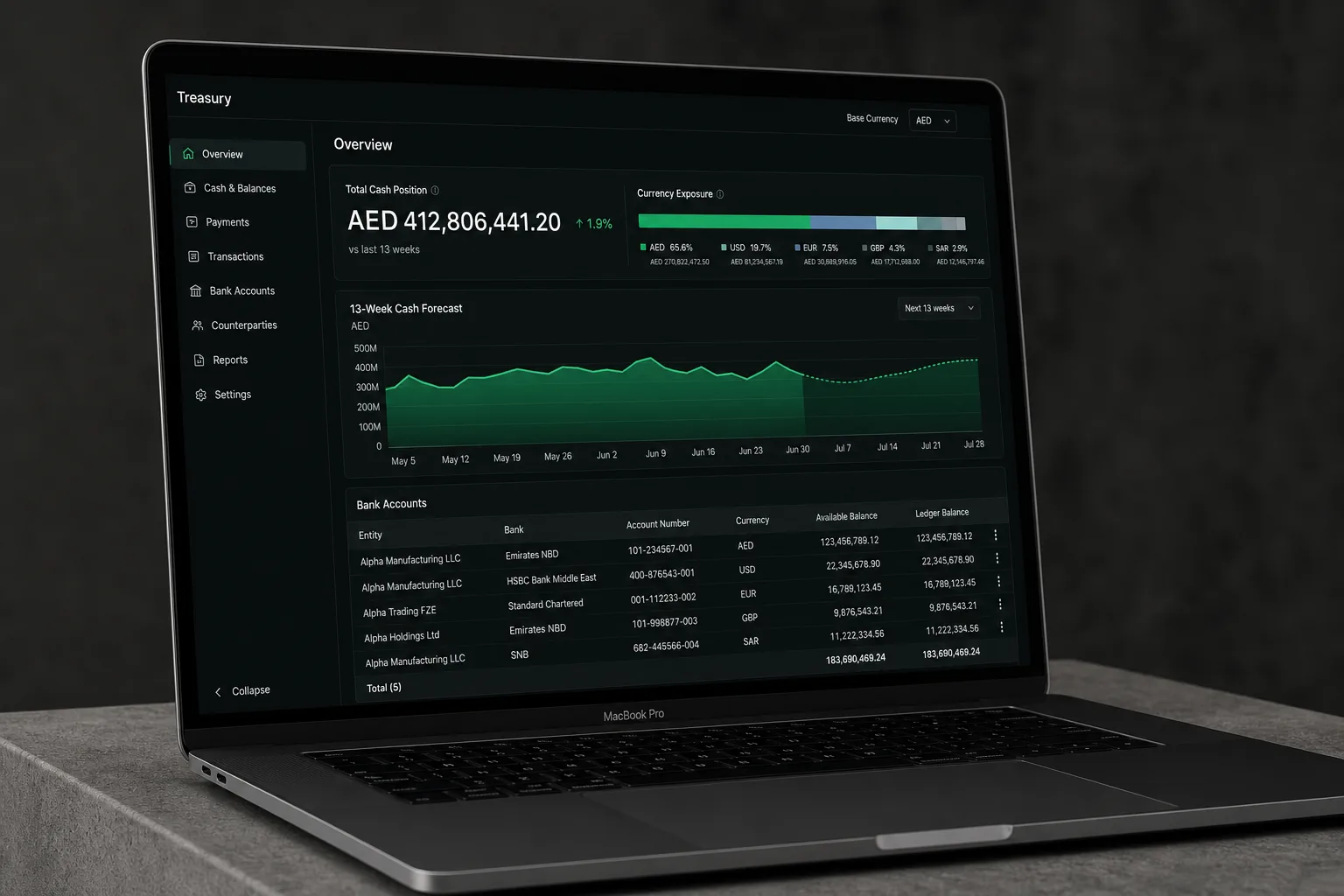
Definitions, targets, owners and thresholds tracked automatically, with alerts.

- Engagement
- Fixed-scope engagement
- Typical timeline
- 3–5 weeks
- Starts with
- Whatever metric list you report today, contradictions included.
Sixty metrics are tracked and none are managed. Ask three managers what an active customer is and you get three answers, each defensible, none the same, which is why last month’s performance review turned into a debate about arithmetic.
Problems surfaced while there is still time to fix them.
What we build
Concrete artefacts, handed over and documented.
- 01
A metric tree: the two or three numbers the company is genuinely run on, and the inputs each is assembled from
- 02
One written definition per metric, the filter, the timing window, the exclusions, agreed by the people who argue about it
- 03
An owner, a target and a review cadence attached to every metric, naming a person rather than a department
- 04
Threshold alerts that reach the owner when a number leaves its band, with the two most likely causes attached
What changes
Performance meetings begin from agreed numbers instead of relitigating definitions
A metric moving the wrong way reaches its owner within hours
The metric list gets shorter, which is usually the entire point
How it runs
- Week 1
01Metric tree
We draw the company on one page and find the handful of numbers everything else feeds into.
- Weeks 2–3
02Definitions
The unglamorous part. We sit with each owner and write the filter, the timing and the exclusions until nobody can read it two ways.
- Weeks 4–5
03Instrument and alert
Each definition implemented in the warehouse, with targets, bands and alerting to the owner.
Chosen per project. Named here so you can see the shape of it.
- dbt
- Looker Studio
- Slack
Questions we get asked
Tell us the outcome, not the tooling.
Send us the situation you are in. We will tell you which discipline it belongs to, what we would do first and what it costs, including when the answer is to wait.