AI decision support systems
Models that score options, flag risk and recommend action with the reasoning shown.

- Engagement
- Phased build with a validation gate before live use
- Typical timeline
- 9–10 weeks
- Starts with
- Two years of past decisions with what happened next attached to each one.
Every day your team makes the same judgement call, approve or decline, price high or low, chase now or wait, and the answer depends on who is on shift. When a customer or a regulator asks why one particular decision went the way it did, experience is not an answer anybody accepts.
Faster decisions that hold up when they are questioned.
What we build
Concrete artefacts, handed over and documented.
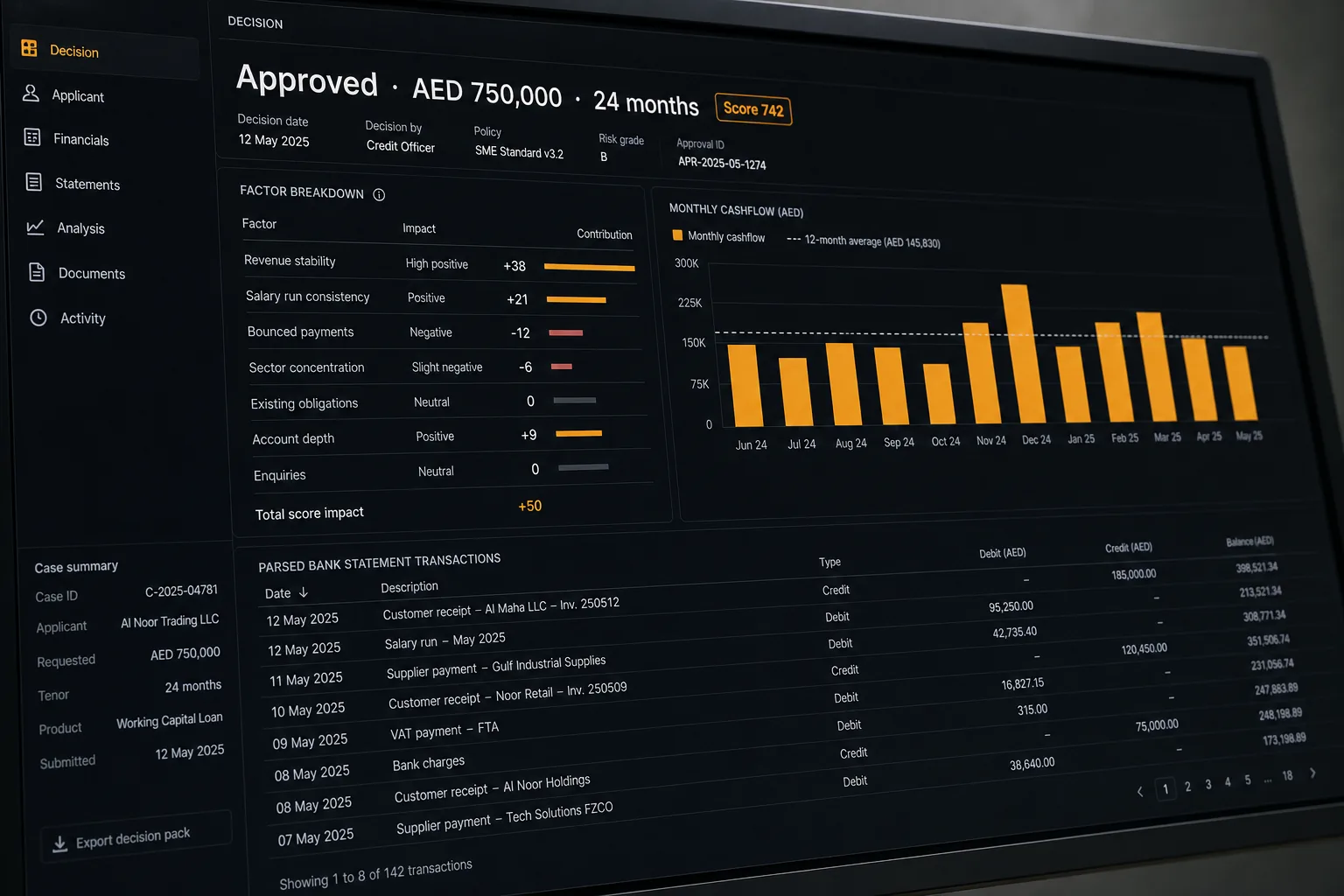
A scoring model built on your own history of decisions and what happened afterwards, with every input documented in plain language
Reason codes on each score: the three factors that pushed it, in the order they mattered
A policy layer your team controls, where thresholds, exclusions and overrides are business settings rather than code changes
Override capture, so each time a person disagrees with the model it becomes evidence rather than a shrug
Drift monitoring comparing live decisions against outcomes, with a warning when the model starts ageing
What changes
Decisions become consistent across people, shifts and offices
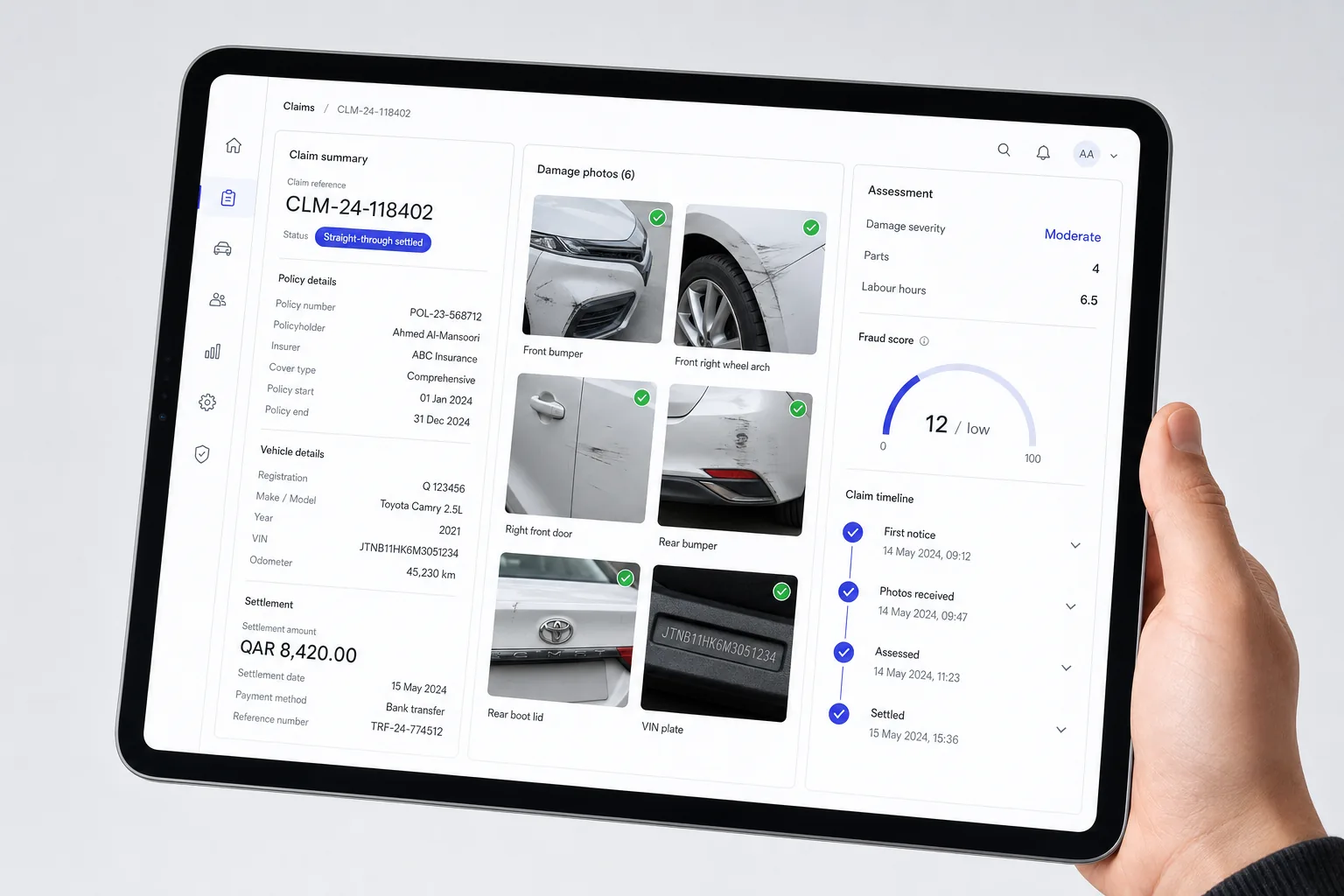
Every decision carries a written reason that survives being challenged
Policy can be tightened or relaxed deliberately, with the effect modelled before it applies to anyone
How it runs
- Weeks 1–3
01Data and outcomes
We reconstruct past decisions and what followed them, which is usually harder than it sounds and always worth doing properly.
- Weeks 4–8
02Model and reason codes
Scoring built and validated on held-back periods, with explanations checked by the people who make these calls today.
- Weeks 9–10
03Shadow decisions
It scores live cases without authority for two weeks, and every disagreement with your team is examined before it counts.
Chosen per project. Named here so you can see the shape of it.
- Postgres
- Python
- XGBoost
- Evidently
- Anthropic Claude
Questions we get asked
Tell us the outcome, not the tooling.
Send us the situation you are in. We will tell you which discipline it belongs to, what we would do first and what it costs, including when the answer is to wait.