Client portals
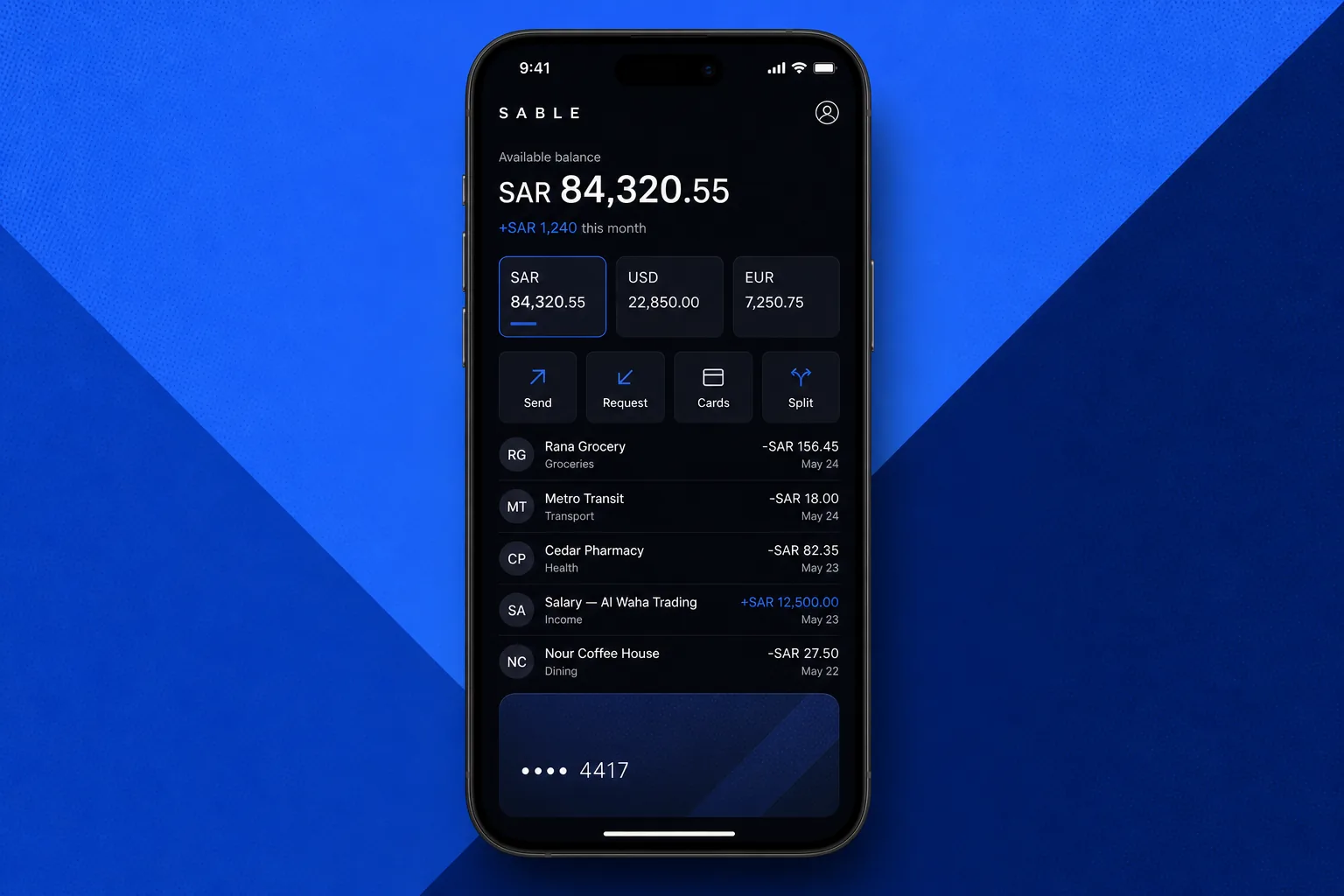
A secure space where clients see status, documents, approvals and invoices without emailing you.

- Engagement
- Fixed-scope build, piloted before rollout
- Typical timeline
- 7–8 weeks
- Starts with
- One week of your support inbox, read and categorised by us.
Your account managers spend the first hour of every day answering three questions: where is my order, what did we agree, and can you resend the invoice. All three answers already exist. They just live in your systems rather than your client’s hands.
Fewer status calls and a client experience that feels premium.
What we build
Concrete artefacts, handed over and documented.
Secure client login with access per account, including the client-side colleagues you did not personally set up
The three or four things clients ask for most, pulled live from the systems that already hold them
A document area with versioning, so the contract a client downloads is always the current one
Status notifications by email or WhatsApp, so clients stop checking in by asking a human
An internal mirror where your team sees exactly what the client sees before answering the phone
What changes
Routine status enquiries fall sharply, and account managers spend the recovered hours on accounts rather than lookups
Clients stop working from a document version that expired two months ago
Your operation looks larger and more organised than its headcount, which matters in tenders
How it runs
01What clients actually ask
We read a week of your support inbox and sort it, because the portal should answer the top five questions and nothing else.
02Build and connect
Authentication, the client views, and the read-only connections into the systems that hold the answers.
03Pilot
Five real accounts use it while their account manager watches, and we fix what confuses them before the wider rollout.
Chosen per project. Named here so you can see the shape of it.
- Next.js
- Supabase
- Vercel
- Resend
Questions we get asked

Tell us the outcome, not the tooling.
Send us the situation you are in. We will tell you which discipline it belongs to, what we would do first and what it costs, including when the answer is to wait.