Business process automation
Mapping how work really flows, then removing the manual steps that slow it down.

- Engagement
- Fixed-scope build, one process per engagement
- Typical timeline
- 5–7 weeks
- Starts with
- We pick one process and follow four live cases through it with a stopwatch.
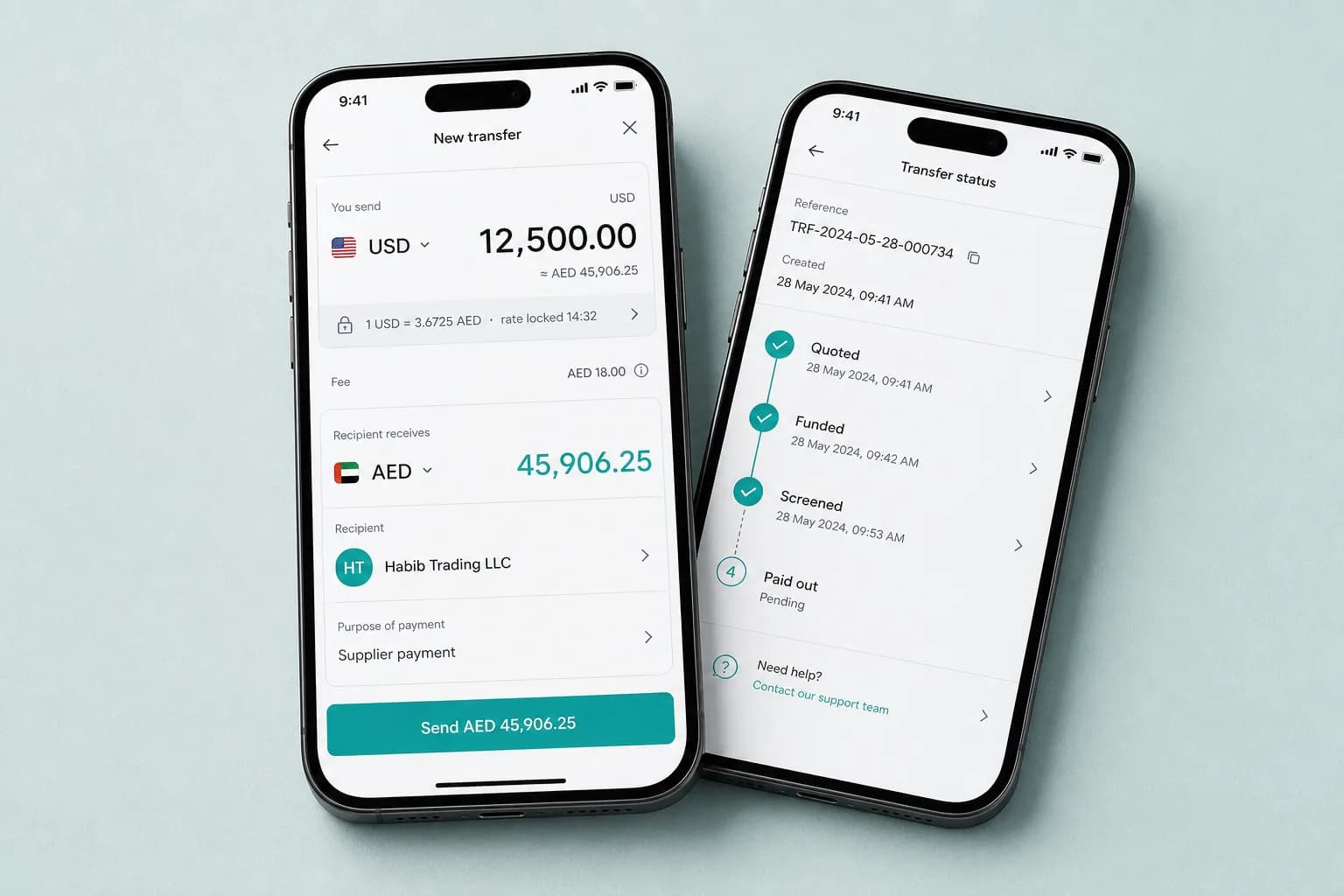
A client signs on Tuesday and is not fully set up until the following Monday, because seven people each have to do one thing in one system. Nobody is slow. The process simply has no owner in the gaps between the steps.
The same output with a fraction of the clicking.
What we build
Concrete artefacts, handed over and documented.
- 01
A measured map of the process as it actually runs today, with the clock time and the hands-on time of every step
- 02
The automated path itself: triggers, system writes, notifications, and a branch for each variation your business genuinely has
- 03
An exception queue where anything the automation cannot decide waits for a named person with a deadline attached
- 04
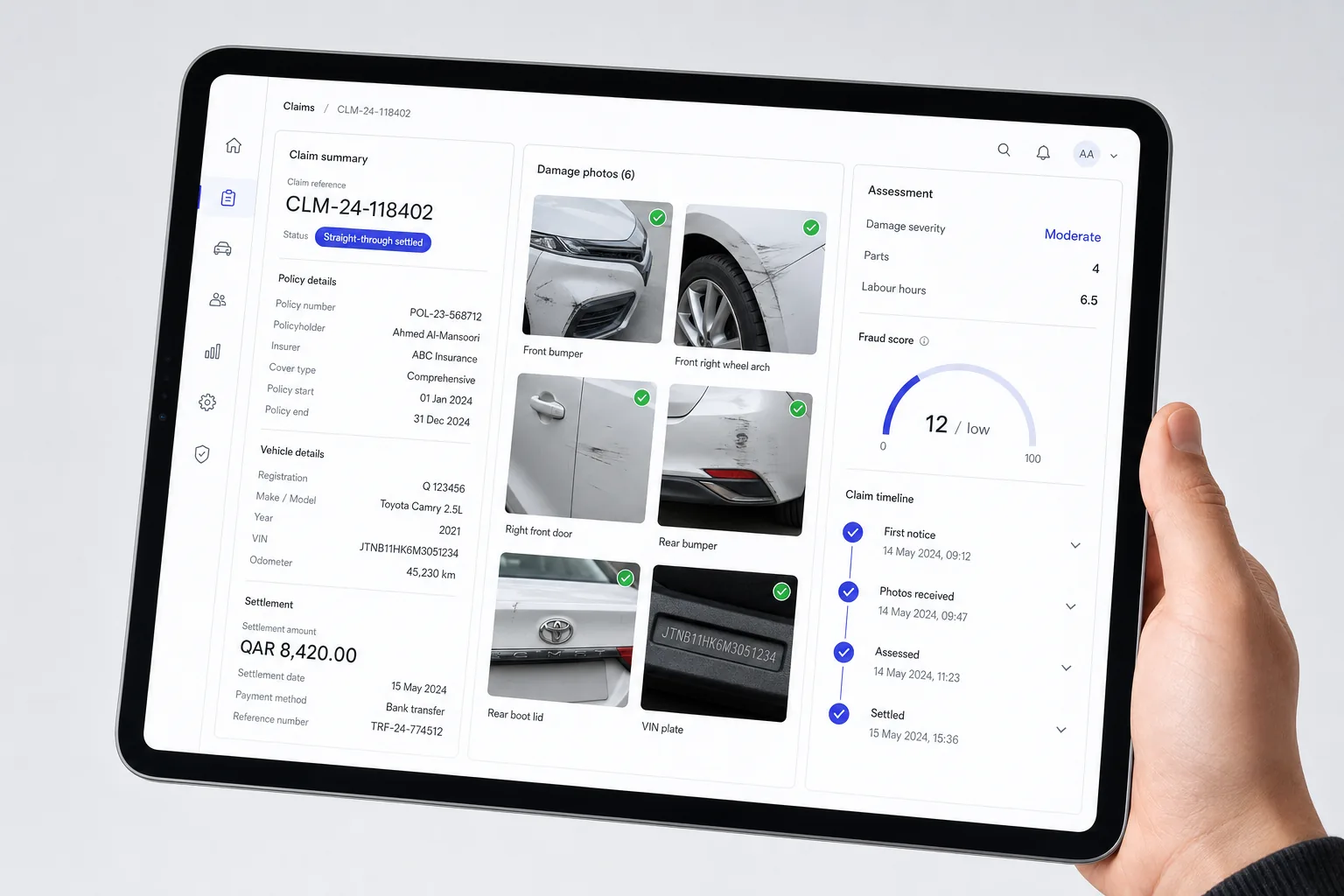
A record of every run, what happened, when, and by whom or by what, that holds up in an audit or a client dispute
- 05
A runbook and a two-hour handover, so your operations lead can change the process without us
What changes
The process completes in hours rather than days, because no step waits for someone to notice it
Steps stop being skipped, since software cannot forget the eleventh item on a checklist
Volume can double without hiring another coordinator
How it runs
- Week 1
01Watch it happen
We follow four live cases end to end with a stopwatch. The written process and the real one are rarely the same document.
- Weeks 2–4
02Build the spine
The main path first, then the two or three branches that cover most real cases, tested against historical examples.
- Weeks 5–7
03Exceptions and handover
It runs in parallel with the manual process, we resolve what breaks, then we hand over the runbook.
Chosen per project. Named here so you can see the shape of it.
- n8n
- Airtable
- Postgres
- Slack
- DocuSign
Questions we get asked
Tell us the outcome, not the tooling.
Send us the situation you are in. We will tell you which discipline it belongs to, what we would do first and what it costs, including when the answer is to wait.