Marketing automation
Segmentation, journeys and triggered campaigns tied to real customer behaviour.

- Engagement
- Fixed-scope build, campaign retainer optional
- Typical timeline
- 5–6 weeks
- Starts with
- A list of the campaigns you send today and how each audience is currently built.
Every campaign begins with someone exporting a list, filtering it in Excel, and hoping the unsubscribes came out with it. Meanwhile a customer who bought yesterday still receives the offer to buy it.
The right message at the right moment, without daily babysitting.
What we build
Concrete artefacts, handed over and documented.
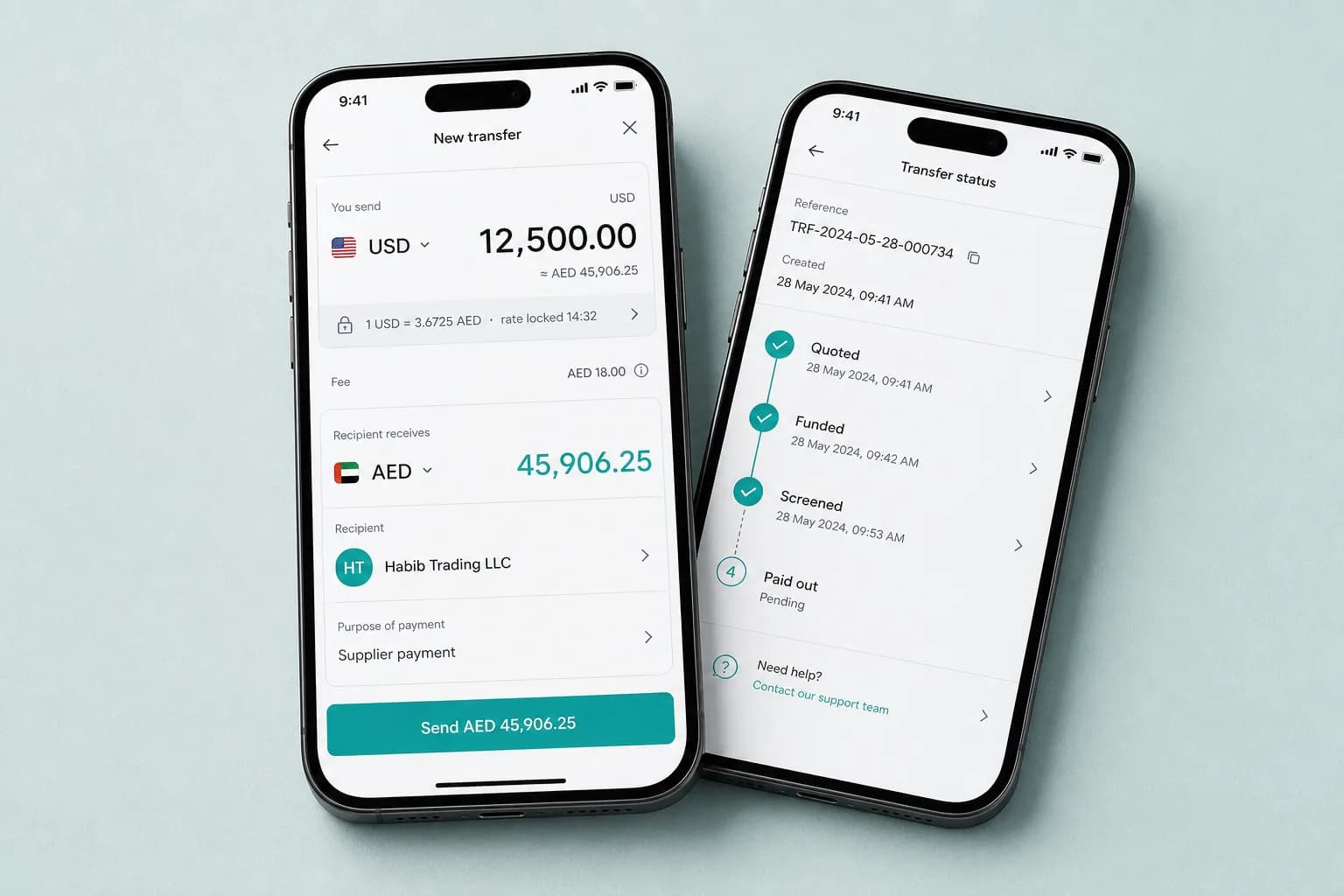
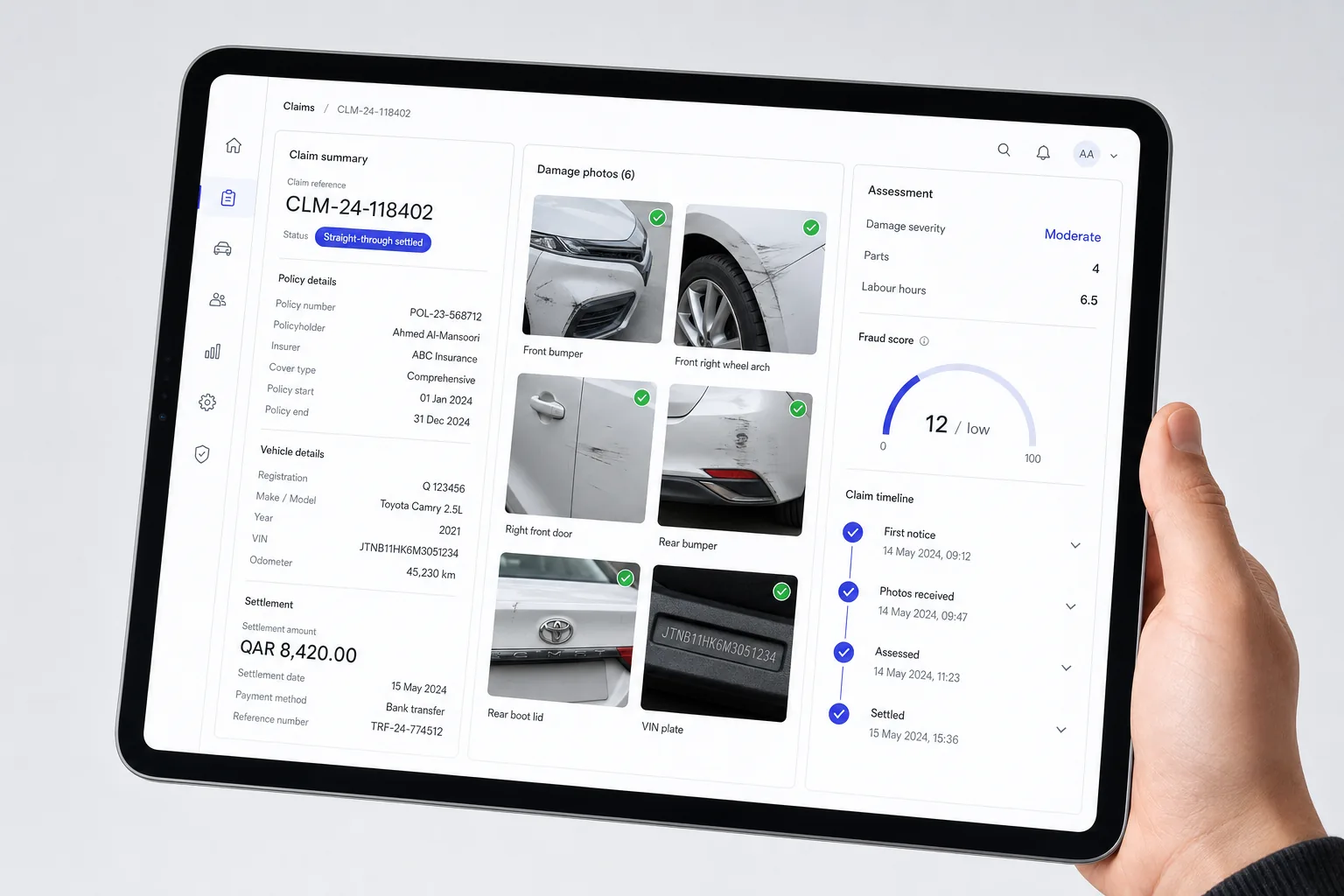
One customer profile assembled from the website, the CRM, the billing system and the support inbox, with the events campaigns can trigger on
Lifecycle programmes, welcome, onboarding, dormancy, win-back, with entry and exit conditions written down
Suppression and frequency rules sitting above every campaign: recent purchasers, open tickets, a cap on messages per person per week
Consent and preference handling, with a record of when and where each person opted in
Advertising audiences synced from the same profile, so paid and email stop telling one person two different stories
What changes
Campaigns launch in an afternoon, because the audience is a query rather than an export
Complaint and unsubscribe rates fall once frequency capping is in force
Customers stop being sold things they already own
How it runs
01Profile and events
We define the customer record and the twenty or so events worth reacting to, then wire them in.
02Programmes
Four lifecycle programmes built and tested against real historical journeys, not sample contacts.
03Governance and audiences
Suppression, frequency caps, consent records, and the sync out to ad platforms.
Chosen per project. Named here so you can see the shape of it.
- Customer.io
- Segment
- HubSpot
- Meta Ads Manager
- Postgres
Questions we get asked
Tell us the outcome, not the tooling.
Send us the situation you are in. We will tell you which discipline it belongs to, what we would do first and what it costs, including when the answer is to wait.